Das Blog ist seit geraumer Zeit vollständig auf meine private Domain umgezogen und unter http://andreas-romeyke.de/blog erreichbar.
Dienstag, 30. Juni 2026
Samstag, 27. November 2021
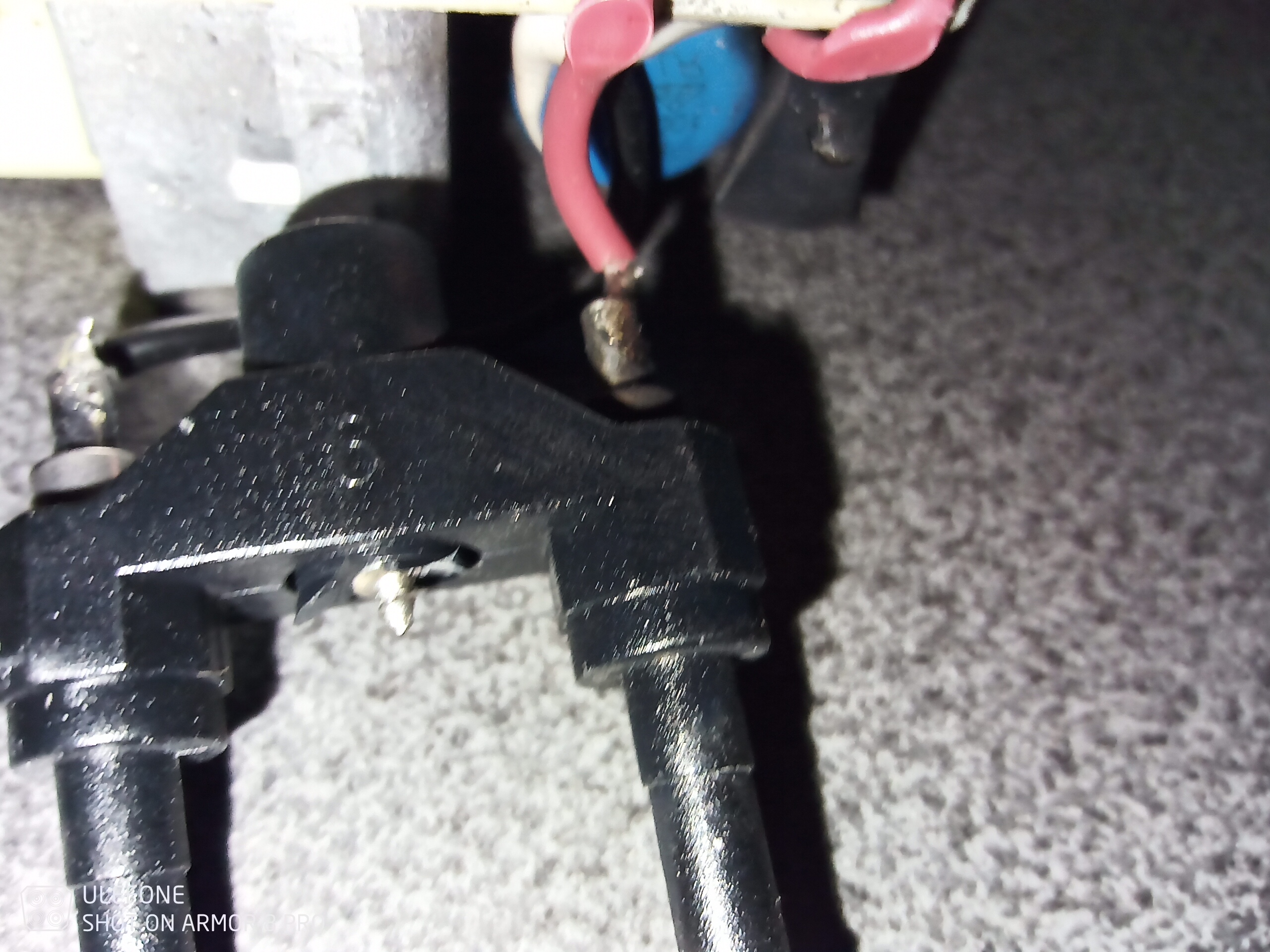
Brandgefährliche Technik
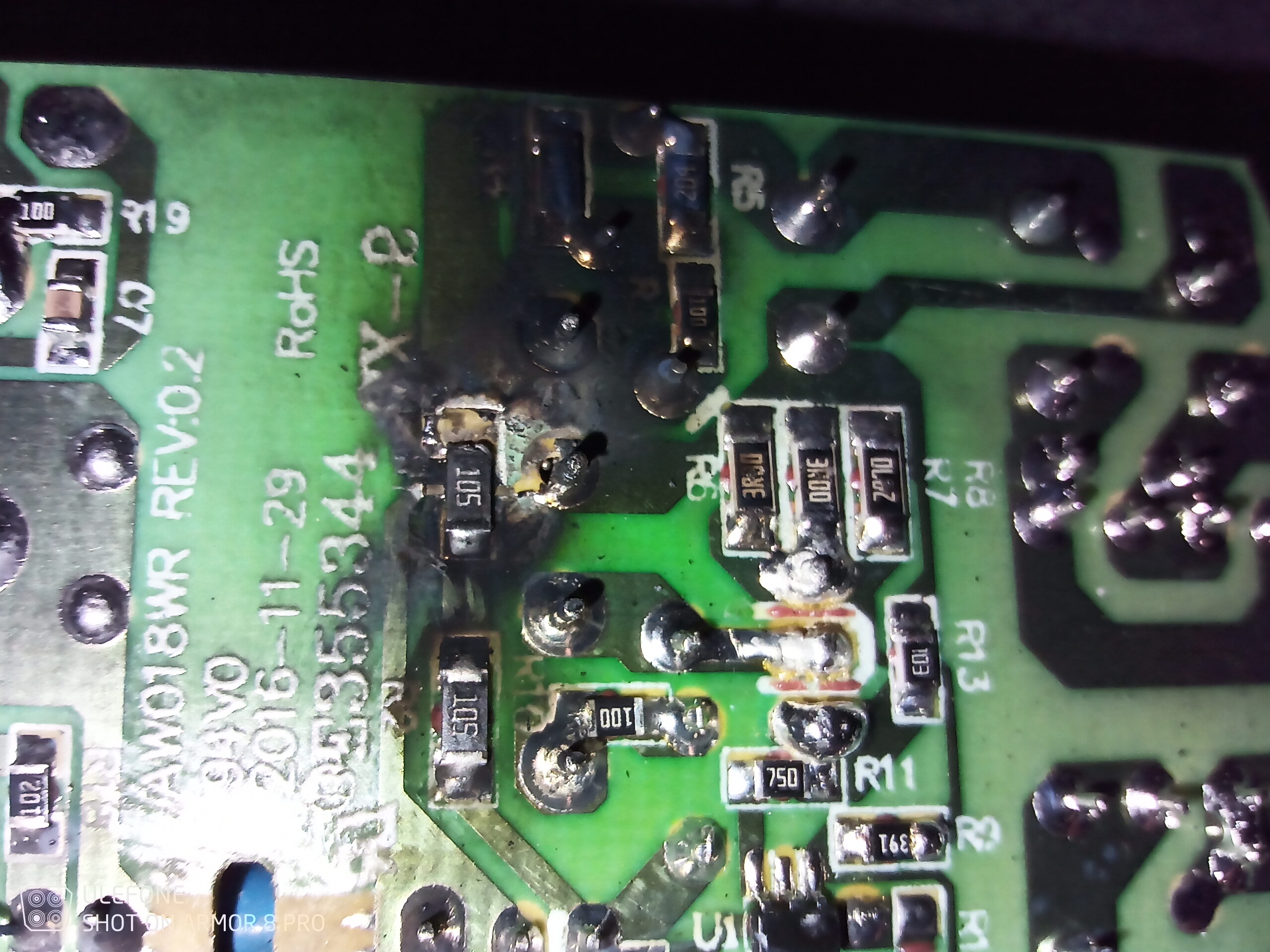
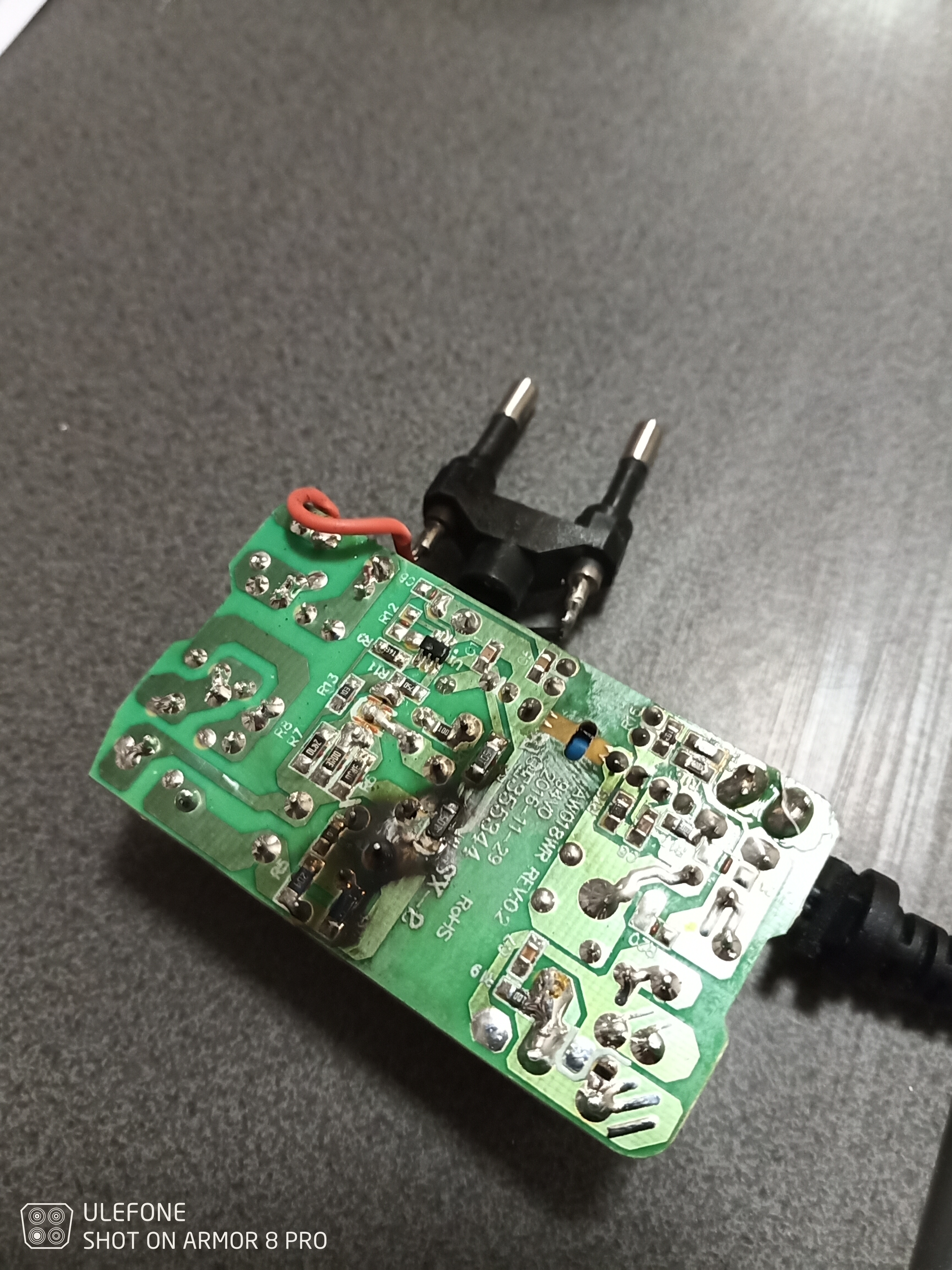
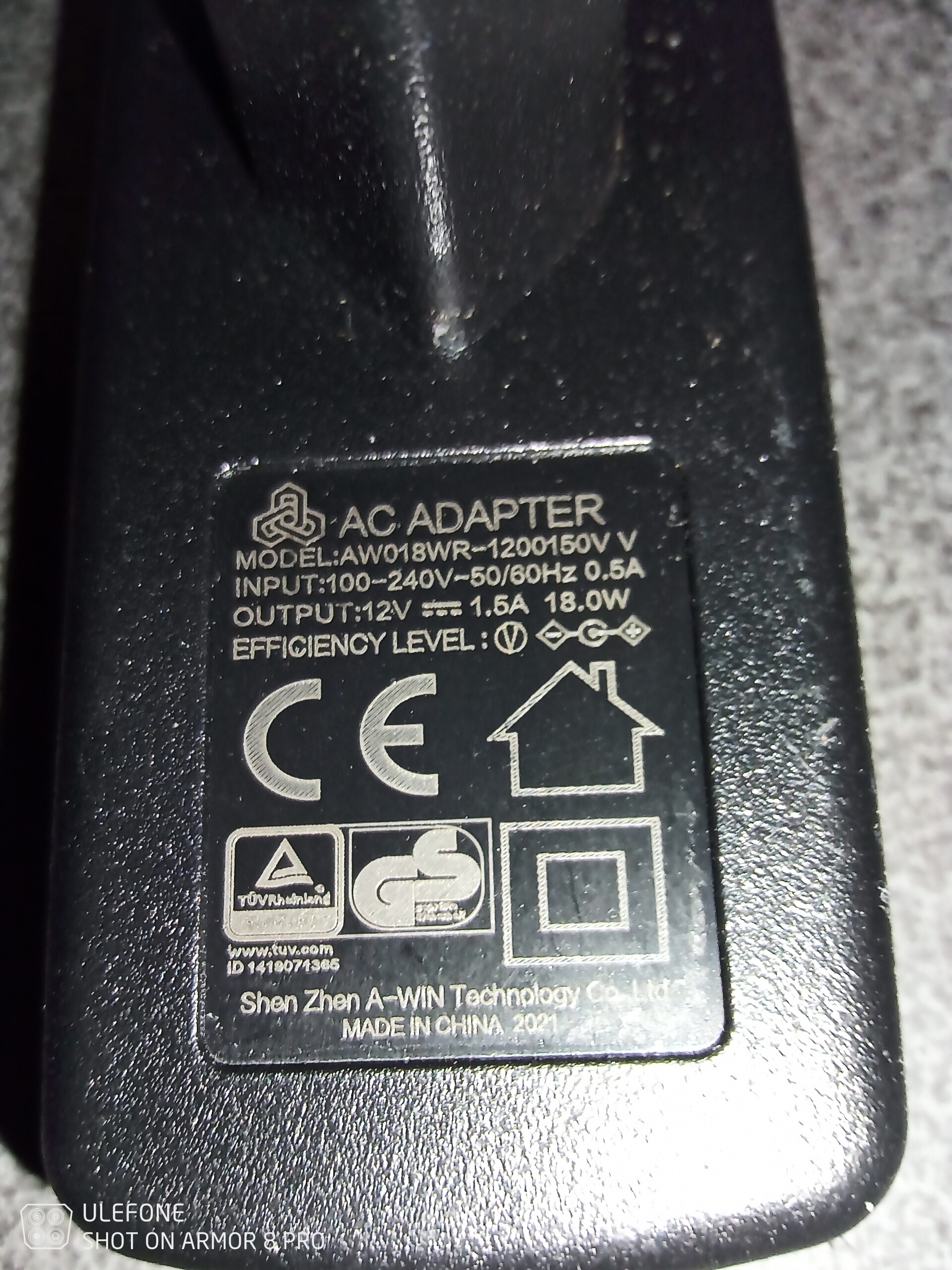
Das Netzteil ist angeblich CE geprüft.
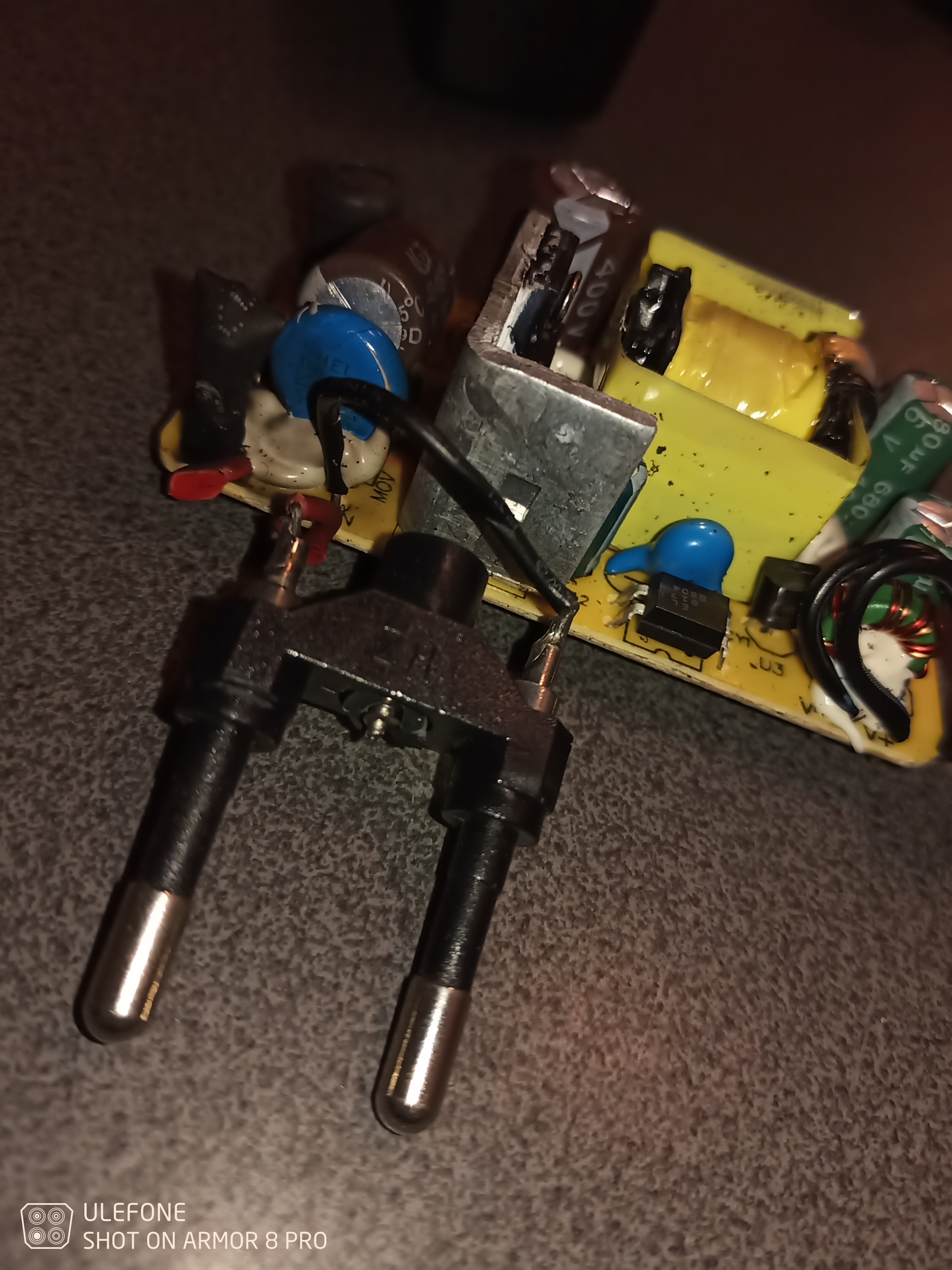
Wie man in den Bildern sieht, konnte der Netzspannung führende Stift ungeschützt und direkt auf den Kühlkörper treffen.
Fehlerursache war die in der Mitte zwischen dem Stecker geführte Schraube, die in eine Plastehülse des äußeren Gehäuses führen sollte, dort aber ausgebrochen ist.
Der Stick ist vermutlich ebenfalls hinüber, glücklicherweise kam es zu keinem Brand und der PC und die Sat-Anlage wurden nicht beschädigt.
Dennoch, wie kann man so einen Murks fabrizieren? :(

Mittwoch, 13. November 2019
Improve md5 calculation -- an unexpected journey
In a project it was necessary to calculate the md5 checksums of files as fast as possible. Under Perl5 there is the module Digest::MD5.
The suggested way to use this module is not the fastest. The reason is that the method addfile() does not use the buffer optimally.
In the following I have tested all possible variants: the suggested addfile approach, the buffer optimized, the File::Map based and the system call to 'md5sum' variant:
The variant "memory-mapped" is about 10% faster than the others. Here a result for checksumming a DNG-file with size of 13MB on a NVME device:
Unfortunately there is a problem with large files. The Digest::MD5 probably calculates the values wrong for scalars >1GB (see https://rt.cpan.org/Public/Bug/Display.html?id=123185). In this case, the memory mapped approach should not be used.
The suggested way to use this module is not the fastest. The reason is that the method addfile() does not use the buffer optimally.
In the following I have tested all possible variants: the suggested addfile approach, the buffer optimized, the File::Map based and the system call to 'md5sum' variant:
#!/usr/bin/env perl # bench to check how fast is memory mapped access use strict; use warnings; use utf8; use Benchmark qw(:all) ; use File::Map qw( map_file); use Digest::MD5; use File::Slurp; sub md5offile_mapped { my $fn = shift; map_file my $data, $fn, '<'; my $md5obj = Digest::MD5->new; $md5obj->add($data); return $md5obj->hexdigest; } sub md5offile_orig { my $fn = shift; my $fh; open($fh, '<', $fn) || die ("Can't open '$fn', $!"); binmode($fh); my ($dev,$ino,$mode,$nlink,$uid,$gid,$rdev,$size, $atime,$mtime,$ctime,$blksize,$blocks) = stat $fh; my $buffer; my $md5obj = Digest::MD5->new; while (read($fh, $buffer, $blksize)) { $md5obj->add($buffer); } close $fh || die ("could not close file '$fn', $!"); return $md5obj->hexdigest; } sub md5offile_addfile { my $fn = shift; my $fh; open($fh, '<', $fn) || die ("Can't open '$fn', $!"); binmode($fh); my $md5obj = Digest::MD5->new; $md5obj->addfile( $fh ); close $fh || die ("could not close file '$fn', $!"); return $md5obj->hexdigest; }sub md5offile_md5file { my $fn = shift; return system("md5sum $fn >/dev/null 2>&1"); } my $file = shift @ARGV; read_file($file); # to warm cache timethese(500, { 'memory_mapped' => sub{ md5offile_mapped( $file ); }, 'original' => sub{ md5offile_orig( $file ); }, 'add_file' => sub{ md5offile_addfile( $file ); }, 'system' => sub{ md5offile_md5file( $file ); }, ;} );
The variant "memory-mapped" is about 10% faster than the others. Here a result for checksumming a DNG-file with size of 13MB on a NVME device:
Benchmark: timing 500 iterations of add_file, memory_mapped, original, system...
     add_file: 12 wallclock secs (10.68 usr +  1.09 sys = 11.77 CPU) @ 42.48/s (n=500)
memory_mapped: 10 wallclock secs (10.43 usr +  0.23 sys = 10.66 CPU) @ 46.90/s (n=500)
     original: 12 wallclock secs (10.98 usr +  0.95 sys = 11.93 CPU) @ 41.91/s (n=500)
       system: 16 wallclock secs ( 0.13 usr 0.27 sys + 13.97 cusr  1.34 csys = 15.71 CPU) @ 31.83/s (n=500)
Unfortunately there is a problem with large files. The Digest::MD5 probably calculates the values wrong for scalars >1GB (see https://rt.cpan.org/Public/Bug/Display.html?id=123185). In this case, the memory mapped approach should not be used.
Abonnieren
Posts (Atom)